2026-10-23 ·
How to Check for Ice Dam Damage on Montgomery Roofs After Winter Storms
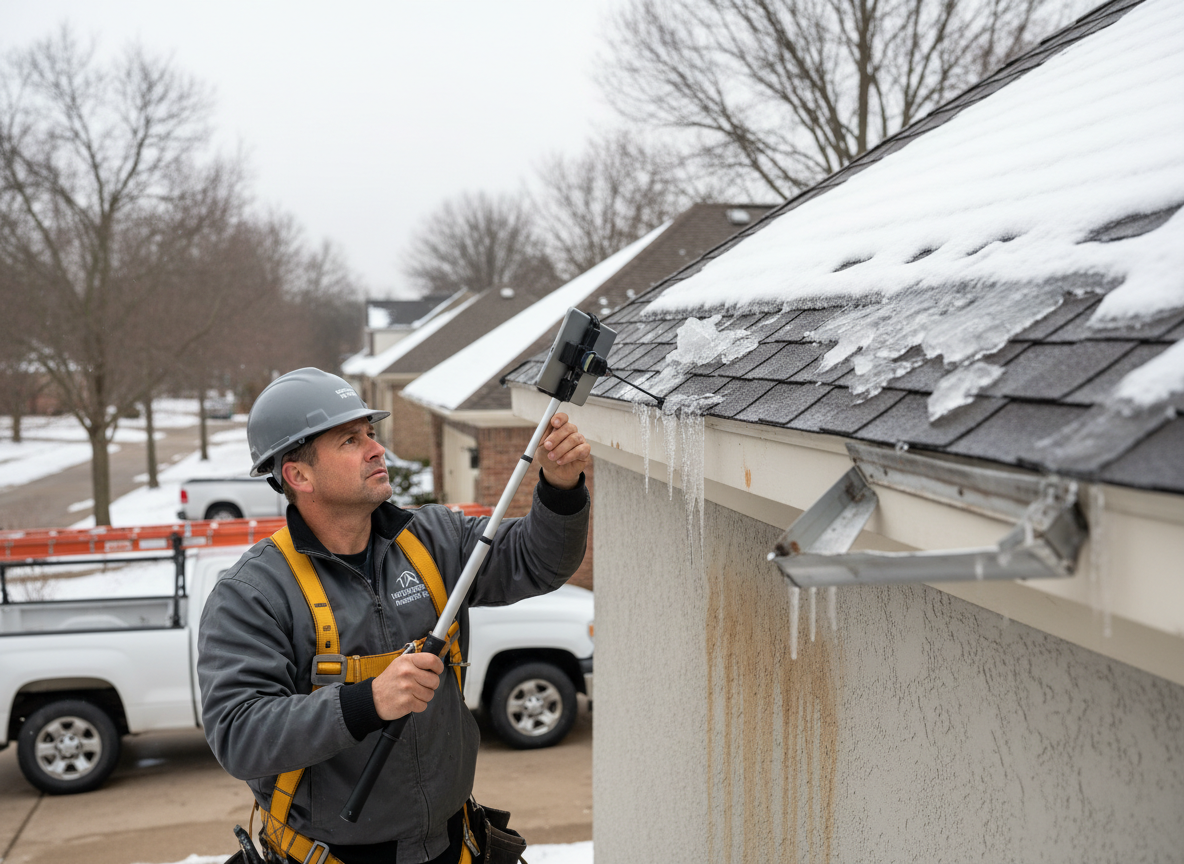
Begin your inspection by entering the attic and scanning the underside of the roof deck along the eaves for dark water stains or soft spots in the sheathing, as these indicate where melting ice has forced water under shingles. In Montgomery homes built before 1980, which often feature steeper pitches and older underlayment, this step reveals issues within 24 to 48 hours after a storm. Continue by checking insulation for dampness or mold near exterior walls, then move outside to look for icicles hanging longer than 12 inches along gutters.
Inspecting Gutters and Eaves for Ice Buildup
Examine gutters for standing water or ice ridges that extend upward onto the roof surface, a common problem on Montgomery homes with narrow overhangs where heat loss from the attic accelerates melting. Use binoculars from the ground to spot lifted or missing granules along the first three courses of shingles, which signals repeated freeze-thaw cycles pushing water backward. Measure any sagging gutter sections, as added ice weight can pull them away from fascia boards by 2 to 4 inches. Homes near Highland Park or Edgewood often see faster ice accumulation due to tree cover blocking sun exposure. If you notice these patterns, document them with photos before temperatures rise above 40 degrees. Maintaining Gutters to Prevent Spring Leak Issues in Montgomery Homes offers additional seasonal checks that pair well with this process.
Checking the Attic for Hidden Moisture
Walk the attic floor and shine a flashlight along rafters and collar ties, looking for dark streaks running parallel to the roof slope that mark water migration from ice dams. In Montgomery's older stock with limited ridge venting, moisture often pools near the top plate of exterior walls, leading to drywall softening within 3 to 5 days. Feel insulation batts for cold, wet spots and note any musty odor that develops after the storm passes. Measure the distance from the eave to the first sign of staining to estimate how far the ice dam extended. This interior review catches 80 percent of early damage before it reaches living spaces. Pair this check with the guidance in Signs Your Montgomery Attic Needs Better Ventilation Before Summer Heat to address long-term airflow problems that worsen ice dam formation.
Examining Shingles, Flashing, and Penetrations
Climb a ladder only on dry days and inspect the first 4 feet of roof edge for buckled or cupped shingles, which occur when water freezes beneath the surface and expands. Check step flashing around chimneys and valleys for gaps wider than 1/8 inch where ice has forced material apart. On asphalt shingle roofs common in the Montgomery area, look for granule loss creating bald patches that expose the mat. Metal roof penetrations such as plumbing vents should show no rust streaks below the boot, as ice movement can crack sealant. Document every affected course with measurements so a contractor can prioritize repairs. These exterior clues often appear 5 to 7 days after the initial storm when daytime highs reach the mid-30s.
Knowing When to Schedule Professional Help
If attic staining covers more than 2 square feet or you find soft decking underfoot, contact a roofing contractor immediately rather than attempting DIY fixes that risk further damage. Corevex Tech provides 24/7 response from their location at 12 W Jefferson St and can arrive with moisture meters and infrared cameras to map hidden wet areas. Request a full roof inspection that includes soffit and ridge vent evaluation before any repair work begins. For widespread issues across multiple slopes, compare the cost of targeted shingle replacement versus full section repair, which typically runs $400–$1,200 depending on access. Roof Inspection Services and Storm Damage Roof Repair outline the exact process used on Montgomery properties after winter events.